

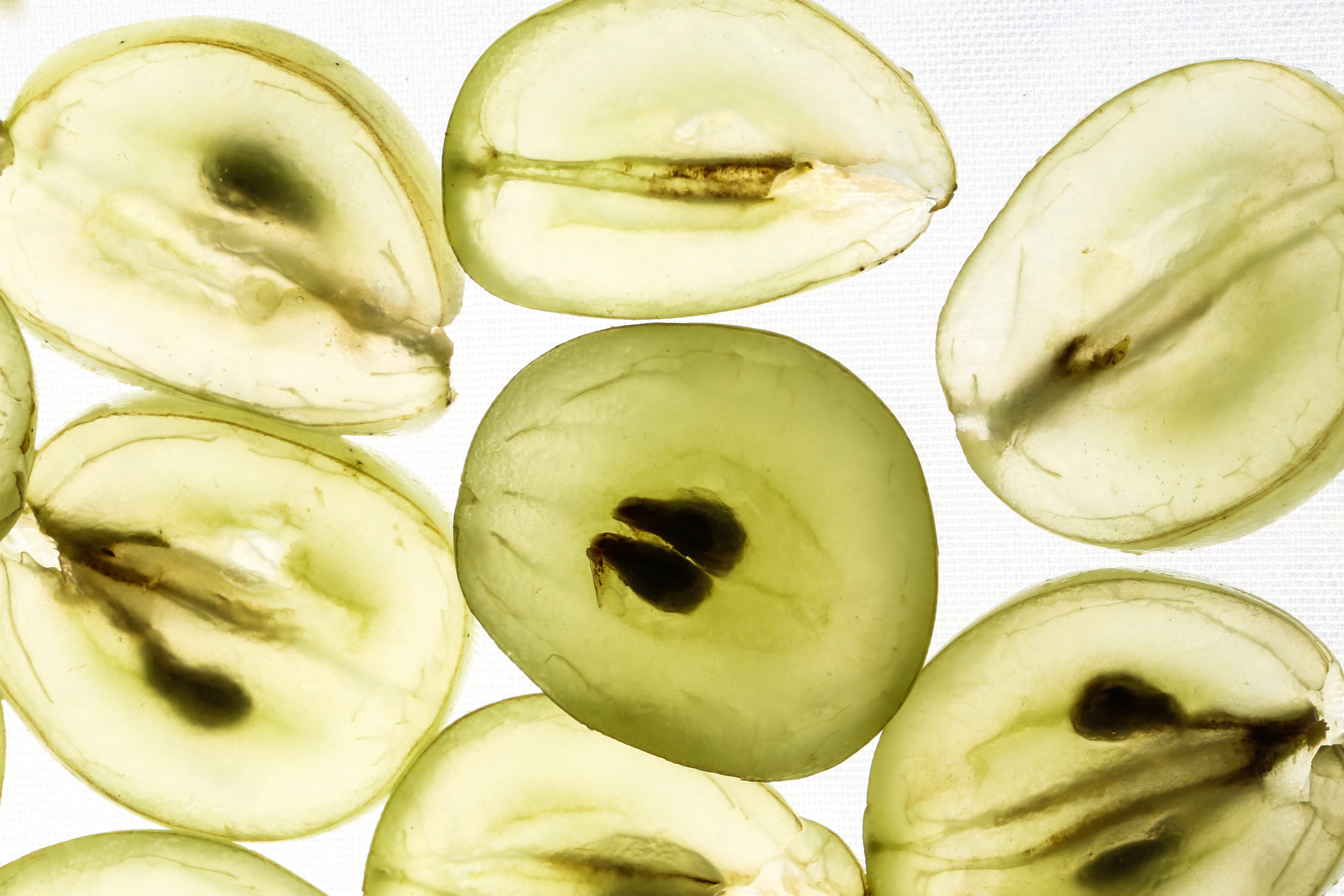
At a time when our bodies are exposed to a multitude of daily stresses, more and more people are looking for natural ways to boost their health. Stress, environmental pollution, UV radiation, and the challenges of modern life continually take their toll on our cells. Yet, nature contains powerful substances that can help us better cope with these stresses. OPC (oligomeric proanthocyanidins) and trans-resveratrol are two such remarkable compounds that, when combined, develop a particularly powerful antioxidant effect .

These extraordinary plant compounds are primarily found in the grape seeds and grape skins , which we usually carelessly throw away. What many people don't know is that these parts of the plant contain two potent antioxidant substances that together form a comprehensive polyphenol complex . In this article, you'll learn:
Table of contents
1. What are OPC and trans-resveratrol?
OPC belongs to the large family of polyphenols (1), a group of secondary plant compounds that protect plants from harmful environmental influences. Trans-resveratrol is also a powerful polyphenol found primarily in grape skins and knotweed (2). Together, both substances form a synergistic polyphenol complex with antioxidant properties (1).
You can think of these polyphenols as a natural protective shield that plants have developed to defend themselves against environmental influences such as UV radiation, pests, and other stress factors. OPC and trans-resveratrol are particularly potent examples of these secondary plant substances.
A study by Ndiaye et al. (2011) showed that OPC and trans-resveratrol actually reinforce each other's antioxidant effects, meaning that together these substances have stronger antioxidant effects than either substance alone (3).
2. The natural origin of the polyphenol complex
Grape seeds and grape skins are the richest natural sources of this powerful polyphenol combination (4). While you eat a grape and typically spit out the seeds, you miss out on these valuable compounds, as the seeds contain up to 95 percent of the OPC concentration , while the skins are rich in trans-resveratrol (5).

Another important source of trans-resveratrol is knotweed (Polygonum cuspidatum) , a plant traditionally used in Asian medicine and containing particularly high concentrations of bioactive trans-resveratrol (6). The combination of grape seed extract and knotweed extract allows for the optimal dosage and bioavailability of both polyphenols.
Interestingly, the concentration of both substances in plants is often highest where they need the most protection. In 1948, French scientist Jacques Masquelier first discovered OPC during a study on the feedability of peanut skins (7). Trans-resveratrol was later identified as a complementary substance that can synergistically enhance the effects of OPC.
3. How does the OPC-resveratrol combination work in your body?
The main effect of the OPC-resveratrol complex lies in the powerful antioxidant power of both substances. Normal metabolic processes, environmental pollution, stress, and UV radiation create so-called free radicals in your cells. These aggressive molecules cause oxidative stress and can damage your cells if they are not neutralized (8). Substances that can neutralize such molecules are called antioxidants.
The combination of OPC and trans-resveratrol acts as a particularly effective protective shield: A study by Bagchi et al. (1998) showed that OPC is approximately 18 to 20 times more powerful as an antioxidant than vitamin C and even 40 to 50 times more powerful than vitamin E (9). Another study by Baur and Sinclair (2006) highlights that trans-resveratrol develops additional protective effects and can synergistically enhance the antioxidant effect of OPC (10).

This combined antioxidant effect can influence various health aspects. A randomized, double-blind, placebo-controlled study by Tomé-Carneiro et al. (2013) showed that the combination of grape seed polyphenols and trans-resveratrol can have positive effects on vascular health (11). Research suggests that the polyphenol complex can strengthen vascular walls and improve blood flow.
The skin is also an area that can benefit from the synergistic antioxidant effect . This is where particularly high levels of oxidative damage from sun exposure (UV radiation) occur. A study by Ndiaye et al. (2011) showed that OPC and trans-resveratrol in combination can offer greater protection against UV-induced skin damage than either substance alone (3). The polyphenol complex can therefore have a protective influence on skin health through its antioxidant effect.

The immune system is also a research area for the OPC-resveratrol complex . A study by Falchi et al. (2006) showed that both substances together have anti-inflammatory properties and that their effects are mutually reinforcing (12). The combined antioxidant properties can help relieve the immune system.
4. The optimal intake of 365 mg OPC with trans-resveratrol
If you want to take the OPC-resveratrol complex as a dietary supplement, there are a few important points to consider. The optimal dosage of 365 mg of OPC in combination with trans-resveratrol corresponds to a high, scientifically proven amount that has shown positive effects in studies. These compounds are also water-soluble and highly bioavailable, making them ideal for absorption by the human body. (13)
Taking one capsule daily is particularly convenient and ensures a constant supply of both polyphenols. A study by Gomes et al. (2023) showed that regular intake of polyphenol complexes leads to better bioavailability than irregular, higher doses (14).
The timing of intake plays an important role in the absorption of the polyphenol complex . It's best to take the OPC-Resveratrol capsule whole with plenty of liquid . The plant-based capsule shell dissolves optimally in the stomach and releases both active ingredients simultaneously , supporting the synergistic effect (15).

It's especially important to avoid certain beverages while taking the polyphenol complex . Coffee, black and green tea, and milk can reduce the absorption of OPC and trans-resveratrol (16). Therefore, it's best to drink water before taking it and wait at least one hour before consuming coffee or tea.
The 240 capsules per pack provide a long-lasting and convenient supply of 8 months when taken daily. This consistent supply is important because the antioxidant effects of the OPC-Resveratrol complex are cumulative and build up over time.
5. Quality characteristics of high-quality OPC resveratrol capsules
Not all OPC-resveratrol combinations are the same. High-quality preparations contain 365 mg of OPC from standardized grape seed extract combined with bioactive trans-resveratrol from knotweed extract (17).
The synergy between OPC and trans-resveratrol is only optimal when both substances are present in high quality and at the correct dosage . A study by Tomé-Carneiro et al. (2013) demonstrated the positive effects of this combination (11).
Plant-based capsule shells made of hydroxypropylmethylcellulose are not only important for vegetarians and vegans, but are also free of animal ingredients and unnecessary additives. The plant-based capsule shell dissolves optimally and releases the polyphenol complex evenly.
6. Conclusion: The polyphenol complex as a natural building block
OPC and trans-resveratrol are an impressive example of how nature has developed powerful protective substances that, when combined, can develop synergistic effects . The strong antioxidant effect of the polyphenol complex , its good bioavailability, and the diverse research results make the OPC-resveratrol combination an interesting component of a health-conscious lifestyle.
It's important to remember, however, that dietary supplements can never replace a balanced diet and a healthy lifestyle. The OPC-Resveratrol Complex should be considered a supplement to a vitamin- and mineral-rich diet with plenty of fresh fruits and vegetables. Combined with regular exercise, adequate sleep, and stress management, the polyphenol complex can make a valuable contribution to your long-term health and vitality .
Nature has created two powerful substances in grape seeds and knotweed . With high-quality OPC resveratrol capsules, you can harness this natural power and help your body prepare for the daily challenges of our modern world.
7. Frequently asked questions about OPC and trans-resveratrol
1. Why is the combination of OPC and trans-resveratrol better than either substance alone?
A study by Ndiaye et al. (2011) showed that OPC and trans-resveratrol develop synergistic antioxidant effects (3). The combination of both polyphenols enhances the antioxidant effect beyond what each substance could achieve individually . The polyphenol complex thus offers more comprehensive cell protection than individual substances.
2. Why is 365 mg of OPC per capsule the optimal dosage?
A study by Yamakoshi et al. (2002) showed that dosages of 300–400 mg of OPC daily provide optimal antioxidant effects (18). The 365 mg of OPC in combination with trans-resveratrol corresponds to this scientifically sound dosage and allows for a practical intake of just one capsule daily .
3. Why are grape seed extract and knotweed extract combined?
Grape seed extract provides the highest concentration of OPC , while knotweed extract is the best source of bioactive trans-resveratrol (6). A study by Tomé-Carneiro et al. (2013) showed that this combination of high-quality sources develops synergistic effects (11). The two extracts complement each other optimally in the polyphenol complex.
4. Why are herbal capsules more important than other dosage forms?
Plant-based capsules made from hydroxypropylmethylcellulose dissolve optimally in the stomach and release both active ingredients simultaneously , supporting the synergistic effect of the OPC-resveratrol complex (15). Furthermore, they are free of animal-derived ingredients and unnecessary additives, ensuring the purity of the formulation .
5. Why should you take the polyphenol complex regularly?
A study by Manach et al. (2004) showed that regular intake of polyphenol complexes leads to improved bioavailability and cumulative effects (14). The 240 capsules per pack allow for a consistent 8-month supply , which is important for the optimal effect of the OPC-resveratrol complex .
8. Scientific sources
- Shi, J., et al. (2003). Polyphenolics in grape seeds-biochemistry and functionality. Journal of Medicinal Food, 6(4), 291-299.
- Baur, JA, Sinclair, DA (2006). Therapeutic potential of resveratrol: the in vivo evidence. Nature Reviews Drug Discovery, 5(6), 493-506.
- Ndiaye, M., et al. (2011). The grape antioxidant resveratrol for skin disorders: promise, prospects, and challenges. Archives of Biochemistry and Biophysics, 508(2), 164-170.
- Beecher, G.R. (2004). Proanthocyanidins: biological activities associated with human health. Pharmaceutical Biology, 42(sup1), 2-20.
- Bagchi, D., et al. (2003). Molecular mechanisms of cardioprotection by a novel grape seed proanthocyanidin extract. Mutation Research, 523-524, 87-97.
- Peng, X., et al. (2013). Trans-resveratrol, a natural antioxidant from grapes, in the treatment of neurodegenerative diseases. Nutrients, 5(12), 4975-5013.
- Masquelier, J. (1948). Research on new products and medicinal products from original vegetables. Thèse de Doctorat d'Etat, Faculté de Médecine et de Pharmacie, Bordeaux.
- Bagchi, D., et al. (1998). Free radicals and grape seed proanthocyanidin extract: importance in human health and disease prevention. Toxicology, 148(2-3), 187-197.
- Bagchi, D., et al. (1998). Free radicals and grape seed proanthocyanidin extract: importance in human health and disease prevention. Toxicology, 148(2-3), 187-197.
- Baur, JA, Sinclair, DA (2006). Therapeutic potential of resveratrol: the in vivo evidence. Nature Reviews Drug Discovery, 5(6), 493-506.
- Tomé-Carneiro, J., et al. (2013). Consumption of a grape extract supplement containing resveratrol decreases oxidized LDL and ApoB in patients undergoing primary prevention of cardiovascular disease. Nutrition, Metabolism and Cardiovascular Diseases, 23(4), 337-343.
- Zhang, L., et al. (2021). Improvement of the Biosynthesis of Resveratrol in Endophytic Fungus by the Synergistic Effect of UV Light and Oligomeric Proanthocyanidins. Frontiers in Microbiology, 12, 770734..
- National Center for Complementary and Integrative Health (NCCIH). Grape Seed Extract Fact Sheet. NIH Publication, 2022.
- Gomes, S., et al. (2023). Polyphenols in Health and Disease: Gut Microbiota, Bioaccessibility, and Bioavailability. Compounds, 3(1), 40-72.
- Spencer, JP, et al. (2008). Biomarkers of the intake of dietary polyphenols: strengths, limitations and application in nutrition research. British Journal of Nutrition, 99(1), 12-22.
- Spencer, JP, et al. (2008). Biomarkers of the intake of dietary polyphenols: strengths, limitations and application in nutrition research. British Journal of Nutrition, 99(1), 12-22.
- Cos, P., et al. (2003). Proanthocyanidins in health care: current and new trends. Current Medicinal Chemistry, 10(13), 1345-1359.
- Yamakoshi, J., et al. (2002). Proanthocyanidin-rich extract from grape seeds attenuates the development of aortic atherosclerosis in cholesterol-fed rabbits. Atherosclerosis, 142(1), 139-149.


